


Introduction
Creating a fursuit or commissioning a fursuit maker is one of the most exciting and personal projects in the furry community. It combines art, design, and craftsmanship to turn imagination into something you can see, wear, and share. A good fursuit captures the personality of your character and allows you to express it in a physical, memorable way.
Many people are drawn to the idea of building a suit themselves, while others prefer to work with professional makers who can bring their design to life with expert precision. Whichever path you choose, understanding the process is the key to getting a result that feels true to you.
In this guide, we will explore every stage of fursuit creation, including how to plan your design, choose materials, estimate costs, and decide between DIY building or professional commissioning. Whether this is your first suit or your next creative project, you will learn how to approach it with confidence and care.
What Is a Fursuit
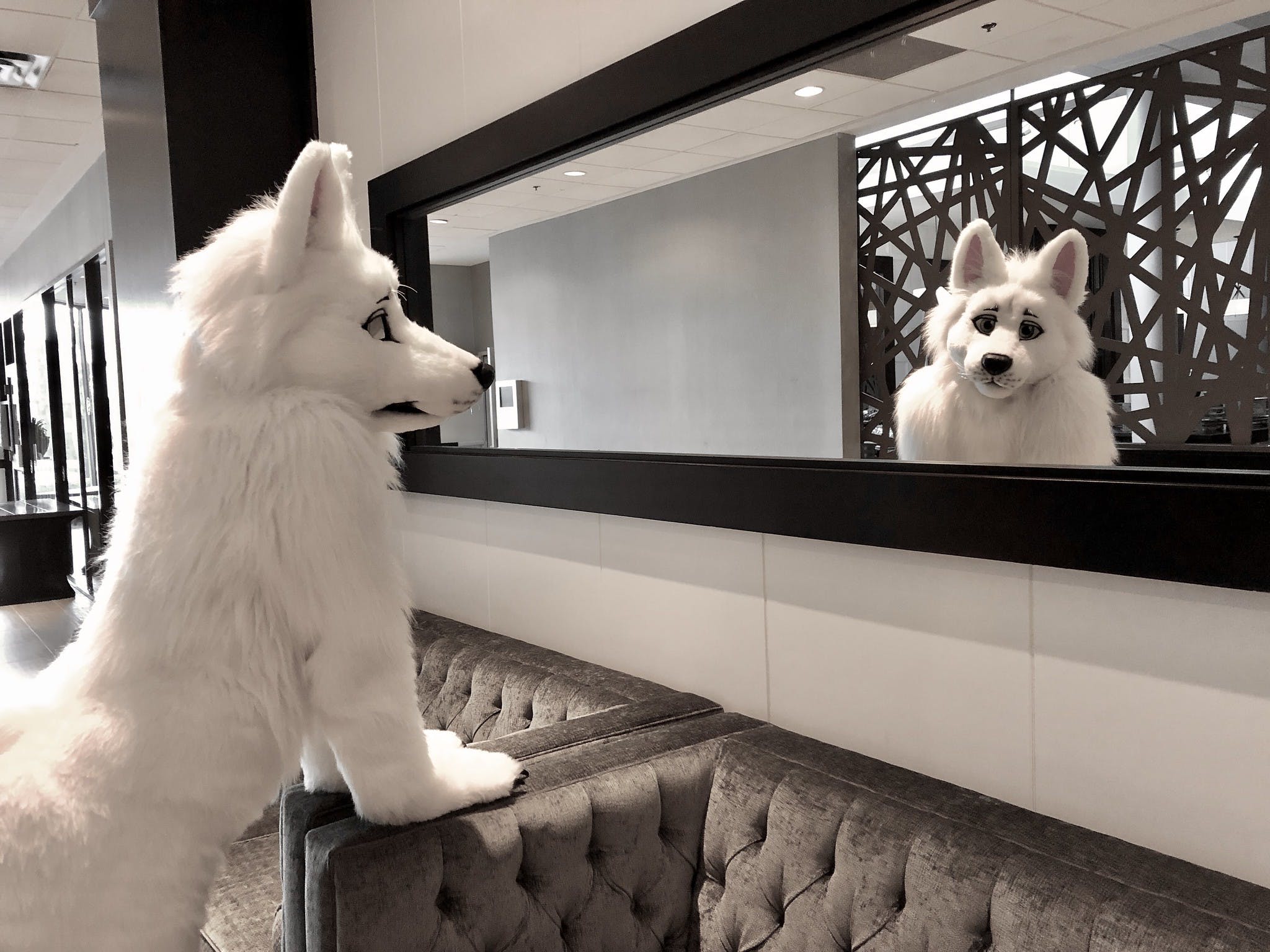
A fursuit is a custom costume that brings a character, often called a fursona, to life. Each suit is a combination of fabric, foam, and creativity, designed to match the unique traits of the character it represents. Some people build their suits for conventions and meetups, while others use them for photoshoots, performances, or simply as a way to express identity and artistry.
Fursuits come in many forms and levels of complexity. Some are simple partial suits that include a head, hands, and tail, while others are full-body builds with padding, ventilation systems, and intricate details. The materials used, from lightweight foams to high-quality faux furs, affect how the suit feels, looks, and moves.
Most fursuits include these main components:
- Head: The most recognizable part of any fursuit. Built from foam, it holds the character’s expression and visibility system.
- Body: A fabric base that gives shape and structure, sometimes padded for digitigrade or kemono styles.
- Hands and Feet: Often designed for both movement and comfort, with custom paw pads or claws.
- Tail and Accessories: The final touches that give personality and flair.
Each maker brings a unique style to their builds, which means no two fursuits are ever exactly the same. Whether you prefer a realistic look, a stylized cartoon approach, or something completely original, every design choice helps tell your story.
Plantigrade vs Digitigrade Fursuits: What’s The Difference?
While, as we mentioned, there are a million different types of fursuits and each creator brings their own flair to a build, when researching fursuit types, you will often come across the terms plantigrade and digitigrade. These refer to how the legs are shaped and how the suit fits around your body.
Plantigrade fursuits have a straight, human-like leg structure. They follow the natural shape of your body without additional padding, which makes them lighter, cooler, and easier to move in. This style is popular for performers who want comfort and flexibility, or for first-time suit owners.
Digitigrade fursuits include extra padding around the legs to mimic the bent-leg stance seen in animals like wolves, dogs, or cats. This gives a more realistic and dynamic silhouette, creating the illusion of walking on the toes. They tend to be heavier and warmer but offer a dramatic, lifelike appearance that many people love.
Both options can look incredible, and the right choice depends on your comfort, budget, and the type of character you want to make.

Planning Your Design
Before any materials are bought or patterns are cut, every great fursuit begins with a clear design. This is the stage where creativity meets practicality. Taking the time to plan your concept carefully will save money, prevent mistakes, and make sure your finished suit looks and feels exactly the way you imagined.
Start with Your Character
If your fursuit represents your sona, think about your character deeply before rushing into anything. What species are they? What colors or markings make them stand out? Do they have a certain mood or expression that you want to capture? Having a strong sense of character will guide every design decision that follows.
A few questions to consider:
- What traits define your fursona’s appearance and personality?
- Will the design be realistic, cartoon-inspired, or somewhere in between?
- What activities will you use the suit for, such as conventions, performances, or photoshoots?
Gather inspiration from sketches, fan art, or reference sheets. Many makers work best with visual references, so having a few clear images helps communicate your vision accurately.

Choosing a Species
Your chosen species influences the overall shape and structure of your suit.
- Canine and feline characters often have smooth, sleek lines.
- Avian and reptilian suits may include wings or scales that require special materials.
There is no “right” choice; it’s all about what feels most authentic to you.
Defining Your Style
Fursuits range from playful cartoon looks to highly realistic builds. Some creators mix both for a stylized result. Deciding on a visual style early helps your maker choose the right techniques for eyes, fur textures, and shaping.
Popular Fursuit Styles
Not to go on a tangent or anything but, one of the most enjoyable parts of designing a fursuit is deciding on its visual style. Each style has its own charm and construction approach. Understanding the main categories will help you choose one that best fits your personality and the story you want to tell through your character.
Toony Fursuits
Toony suits are bright, expressive, and cartoon-inspired. They often have large eyes, exaggerated features, and bold color patterns. This style is lighthearted and easy to perform in, making it a favorite among first-time suit owners and convention performers.
Realistic Fursuits
Realistic suits aim to mirror the look of real animals. They use carefully trimmed fur, sculpted features, and sometimes airbrushing to create natural shading. These builds often include moving jaws or glass-like eyes for lifelike detail. They are more technical to make but incredibly striking in photos and film.
Kemono Fursuits
Originating from Japan, kemono suits blend anime-style features with animal characteristics. They are known for large glassy eyes, soft rounded faces, and smooth shapes. This style sits between toony and realistic, offering expressive charm with refined craftsmanship.

Comfort and Fit
Think about how you will use your suit and what kind of comfort you need.
- Performers may prefer lightweight plantigrade designs.
- Cosplayers and photographers might choose digitigrade padding for a stronger visual impact.
- Consider ventilation, cooling options, and visibility before finalizing your design.
Collaborating with a Maker
If you plan to commission your suit, communication with your maker is key. Share references, explain your goals, and be open to suggestions. Experienced makers can help translate your ideas into something practical and durable.
Tip: At Fursonafy, you can work with a designer to refine your concept before production begins. This ensures that proportions, materials, and comfort are balanced from the start.
Materials and Tools You’ll Need
Building a fursuit takes patience, planning, and the right materials. The quality of your supplies will affect everything from comfort to durability, so it’s worth investing in good tools from the start. Even if you plan to commission a maker, understanding the materials they use will help you make informed choices and communicate what you want.
Essential Materials
Foam
Foam forms the structure of most fursuit heads, paws, and padding. The right foam balances flexibility, weight, and durability.
Best options:
- Upholstery Foam (medium density): Lightweight and easy to carve. Great for beginners and head bases.
- EVA Foam (2–6 mm sheets): Ideal for smooth armor-like shapes or adding stability in key areas.
- High-Density Polyfoam: Best for long-lasting suits that need structural support, though slightly heavier.
Avoid extremely soft craft foam, which can lose shape quickly with heat or moisture.
Mesh and Fabrics
Mesh adds breathability and visibility, especially for eye and mouth areas. Stretch fabrics improve comfort and movement inside the suit.
Best options:
- Buckram Mesh: Common for fursuit eyes because it allows airflow and vision while staying opaque from the outside.
- Lycra or Spandex: Used for inner lining or tight-fitting zones, such as wrists and ankles.
Power Mesh or Cooling Mesh: Adds ventilation without weakening the structure.
Glue and Adhesives
Adhesives hold the entire suit together, bonding fur, foam, and plastic elements. Choosing the right glue is crucial for longevity.
Best options:
- Surebonder High-Temperature Hot Glue: A strong all-purpose glue suitable for most foam and fur applications.
- Barge All-Purpose Cement: Professional-grade adhesive ideal for permanent bonds on EVA foam and fabric edges.
3M Super 77 Spray Adhesive: Great for applying large fabric panels evenly, but should be used in ventilated spaces.
Thread and Sewing Supplies
Sturdy seams are essential for durability, especially in high-stress areas like joints and zippers.
Best options:
- Polyester Thread: Stronger and more flexible than cotton, making it perfect for thick fabrics.
- Heavy-Duty Needles (Size 16–18): Handles fur and foam-backed fabrics without snapping.
Walking Foot Sewing Machine Attachment: Helps thick layers feed evenly without shifting.
Eyes and Resin Parts
Eyes, claws, and teeth bring your character to life. These parts can be hand-sculpted, cast in resin, or 3D printed.
Best options:
- Acrylic or Resin Eyes: Offer vibrant color and clarity for both toony and kemono styles.
- 3D Printed Claws and Teeth: Lightweight and customizable. PLA and PETG are durable filament choices.
Resin Casting Kits: Allow advanced makers to craft custom parts with a glossy, professional finish.
Helpful Tools
- Electric carving knife or foam cutter: For shaping foam smoothly and evenly.
- Sewing machine: A basic machine capable of thick fabrics is usually enough.
- Heat gun: Softens EVA foam for shaping.
- Clippers and fur trimmers: Used for cleaning edges and giving fur a professional finish.
- Brushes and combs: Keep fur looking neat after sewing or wearing.
- Measuring tape and mannequin: Useful for fitting and pattern alignment.

Sourcing Materials
Fursuit supplies are available from both local craft stores and online specialty shops. When shopping online, check seller reviews and product descriptions carefully. Some makers also recommend purchasing small fur samples before committing to a full roll to ensure the texture and color are right for your project.
Building the Components
Once your design is finalized and materials are ready, the next step is to bring your fursuit to life piece by piece. Each component plays a unique role in shaping your character’s personality, comfort, and movement. Even if you plan to commission a maker, understanding how these parts are constructed will help you appreciate the process and communicate your preferences more clearly.
The Head
The head is the centerpiece of any fursuit and usually the most time-consuming part to build. Most makers start by sculpting a base from upholstery foam or resin to create the desired shape.
- Foam heads are lightweight, soft, and easier to adjust for beginners.
- Resin heads offer a more defined structure, often used in realistic or kemono builds.
After the base is complete, it’s covered in fur panels that are hand-stitched or glued in place. Eye mesh or buckram is added for vision, and ventilation holes are built into the mouth or neck area for airflow. Some advanced makers also install fans or cooling systems for extra comfort.

The Body
The body defines the silhouette of your character and determines how comfortable the suit will be to wear.
- Plantigrade suits follow the wearer’s natural leg shape and are lighter.
- Digitigrade suits include foam padding or shaped inserts to create a more animal-like stance.
Most bodies are made using a duct-tape dummy, which allows for custom patterning. The fur is cut, pinned, and sewn to match the shape perfectly. A hidden zipper or hook-and-loop seam is usually placed along the back or side for easy entry.
Hands and Paws
Paws are both a practical and expressive part of your suit. Makers often create them using fleece, minky, or short-pile fur to make them soft and flexible.
- Toony paws are oversized with rounded shapes and paw pads.
- Realistic paws are more fitted, sometimes with silicone pads for grip.
Foam padding is added to give shape, and claws can be made from resin or 3D-printed plastic.
Feet
Fursuit feet are built around lightweight shoes or foam bases to ensure comfort and durability. Many makers use slip-on canvas shoes, which can be easily glued or sewn into the foam structure.
- Add non-slip rubber soles for safety.
- Consider removable insoles or vents to keep the feet cool.
Feet can be plantigrade or digitigrade depending on your overall suit style.
Tail
The tail adds movement and personality to your design. It’s often attached using a belt loop or harness system to keep it stable.
- Short tails are light and playful, good for high-energy characters.
- Long or weighted tails add realism but may need internal structure for balance.
Use strong stitching at the base, since tails experience frequent motion and strain.
Accessories and Details
Once the main components are complete, accessories bring your suit to life. You can add:
- Clothing or armor pieces that match your character’s theme.
- Cooling vests or fans for comfort.
- LED lighting for a unique look.
- Props such as collars, hats, or themed gear.
Accessories let you show individuality, and small details often make the biggest difference in how finished the suit feels.
How Much Does a Fursuit Cost
Fursuits are both a creative project and a financial investment. The total cost of a fursuit can vary widely depending on the style of suit, the materials used, and whether you make it yourself or commission a professional maker. Knowing what drives the price will help you set a realistic budget and choose the best path for your goals.
| Type of Fursuit | Average Cost (USD) | Build Time | Notes |
|---|---|---|---|
| Partial Suit (head, hands, tail) | $1,000 – $1,800 | 1–2 months | Ideal for beginners or light wearers. |
| Full Plantigrade Suit | $1,800 – $3,000 | 2–4 months | Comfortable, lightweight, and easier to move in. |
| Full Digitigrade Suit | $3,000 – $4,500+ | 3–6 months | Includes padded legs for an animal-like stance. |
| Kemono or Realistic Build | $3,000 – $5,500+ | 3–6 months | Detailed sculpting and premium materials increase cost. |
Prices can fluctuate depending on the maker’s experience, design complexity, and regional material costs. Top-tier makers often charge more due to reputation and demand, while newer artists may offer more affordable commissions with longer wait times.
What Affects the Price
Design Complexity
Elements like wings, horns, moving jaws, or LED lighting increase both time and materials. The more unique or intricate your character, the more expensive the build will be.
Material Quality
Premium faux fur, resin bases, and custom resin eyes improve appearance and durability. Budget materials are fine for first-time suits but may wear out faster or feel less comfortable.
Labor and Experience
Experienced makers charge for hundreds of hours of design, sculpting, and sewing. Paying for expertise ensures proper fit, ventilation, and longevity.
Add-ons and Accessories
Extra items such as cooling systems, props, or interchangeable outfits add to the final price. Consider which features are essential before adding optional details.
Budgeting Tips
- Start with a partial suit: A head, paws, and tail can be a more affordable entry point before upgrading to a full build.
- Plan for shipping and customs: International makers may charge extra for shipping and insurance.
- Save for aftercare: Cleaning products, brush sets, and small repairs are ongoing costs.
Get early quotes: Reputable makers often book months in advance, so plan ahead to secure a spot.
Commissioning vs DIY Costs
Making a fursuit yourself can save money, but requires tools, space, and a lot of learning time. Commissioning a maker offers a polished, professional result and saves effort, but comes at a higher upfront price.
When comparing both options, remember that comfort, fit, and finish all affect how enjoyable your fursuit will be to wear.
DIY vs Commissioning a Fursuit
When deciding how to get your fursuit made, you have two main paths: build it yourself or commission a professional maker. Both options can lead to amazing results, but each comes with its own challenges, costs, and rewards. The best choice depends on your skills, budget, and the level of quality you want to achieve.
Making a Fursuit Yourself
Building a fursuit by hand can be a fulfilling creative project. It gives you full control over the design, materials, and construction process. Many makers start as hobbyists who learn through trial, error, and online tutorials.
Pros:
- Lower cost if you already own tools and materials
- Complete creative freedom and customization
- A rewarding sense of accomplishment
Cons:
- Steep learning curve for beginners
- Mistakes can be costly and time-consuming
- Requires space, tools, and safety equipment
- Fit and ventilation can be difficult to perfect
If you’re making your first fursuit, starting with a partial suit is a good idea. It allows you to learn key skills like sewing, patterning, and working with foam without tackling a full build right away.

Commissioning a Professional Maker
Commissioning a fursuit means working with an experienced artist who handles every stage of production, from concept art to final delivery. Professional makers have the tools and expertise to create durable, well-fitted, and visually stunning suits.
Pros:
- Professional craftsmanship and attention to detail
- Custom fit and better comfort for long wear
- Faster results and guaranteed quality
- Access to specialized materials and advanced techniques
Cons:
- Higher upfront cost
- Wait times for popular makers can be several months or more
- Less hands-on involvement during production
When choosing a maker, always check their portfolio, customer reviews, and communication style. Look for consistent quality, transparent pricing, and a clear commissioning process. Reputable makers will offer quotes, discuss design adjustments, and keep you updated as the project progresses.
Finding the Right Fit
Your decision should reflect what matters most to you: creative control, quality, or convenience. If you love crafting and have the time to learn, DIY can be deeply rewarding. If you prefer a polished, professional suit built to last, a commission is the smarter investment.
Care, Maintenance, and Longevity
A well-made fursuit can last for many years with proper care. Because fursuits are made from specialized materials like faux fur and foam, they need regular cleaning and careful storage to stay fresh, comfortable, and safe to wear. Whether your suit was handmade or professionally commissioned, a consistent maintenance routine will protect your investment and keep it looking its best.
Cleaning Your Fursuit
Spot Cleaning
For small stains or dirt, use a damp cloth with mild detergent or fabric-safe cleaner. Gently blot the area and brush it afterward to keep the fur fluffy. Avoid soaking the fur, as too much water can damage the foam underneath.
Hand Washing
If the suit needs a deeper clean, remove any detachable parts and wash the body section in a bathtub or large basin using cold water and gentle detergent. Submerge the suit, agitate lightly, then rinse thoroughly. Never twist or wring the fabric, as this can stretch seams and flatten the fur.
Drying
Pat the fur with towels to remove excess water, then hang or lay flat in a well-ventilated area. Avoid using heat or a dryer. High temperatures can melt or deform synthetic fibers and adhesives.
Head and Electronics
For headpieces with electronics, use compressed air and antibacterial wipes instead of water. Make sure fans, LEDs, or battery packs are fully dry before storage or transport.
Brushing and Deodorizing
Regular brushing keeps fur smooth and prevents matting. Use a slicker brush or a wide-tooth pet comb to gently detangle sections after each wear.
To keep the inside fresh, use fabric-safe deodorizing sprays or place silica gel packets inside the suit between uses to absorb moisture.
If the suit is worn frequently, consider investing in a drying rack or small fan system to circulate air after events.
Storage Tips
How you store your fursuit is just as important as how you clean it.
- Store in a cool, dry place away from sunlight and humidity.
- Use a garment bag or breathable cover to prevent dust buildup.
- Avoid plastic bins or vacuum bags, which can trap moisture.
- Keep paws, feet, and tails separated to prevent compression.
If you plan to travel to conventions, use a sturdy storage bin or suitcase with ventilation holes to avoid mildew during transport.
Repairs and Longevity
Minor repairs, such as seam reinforcement or paw pad reattachment, can be done at home with basic sewing tools. For larger damage, reach out to your original maker or a fursuit repair specialist. Many makers offer maintenance or refurbishment services to restore suits after years of wear.
Quick tip: A gentle brushing routine and proper cleaning after every few wears can extend the lifespan of your fursuit by several years.
Conclusion
Creating a fursuit is more than just sewing fabric and sculpting foam — it’s an art form that transforms imagination into something tangible and deeply personal. Whether you decide to build your own suit or commission a professional maker, every step of the process brings you closer to expressing your character in a completely unique way.
From choosing your materials and perfecting your design to maintaining and showing off your finished suit, each decision shapes the final result. Taking the time to plan carefully, invest in quality materials, and learn about proper care will ensure your fursuit lasts for years and continues to make every event or photoshoot feel special.
If you’re ready to take the next step and want expert help bringing your character to life, Fursonafy can make it happen. Our experienced makers and designers can help you plan, design, and build a custom suit that fits your style, comfort, and budget perfectly.
